The Relevance of Excellent Memory Care Programs for Family Members
Quality memory care services represent an fundamental function for kinships managing the difficulties of dementia. These initiatives present tailored guidance that handles both the needs of residents and their attendants. By enabling safety, comfort, and personal ties, quality care assists in diminish feelings of isolation. However, not all senior living communities are identical. Recognizing what to examine can greatly determine the quality of life of those affected. What principal features should families value?
 }
}Dementia: Hurdles and Answers
Dementia offers a complicated range of difficulties for individuals, families, and caregivers alike. The mental deterioration linked to dementia impacts memory, reasoning, and daily functioning, complicating routine tasks and raising reliance on others. Families often grapple with the psychological burden of witnessing their loved ones' deterioration, leading to feelings of helplessness and frustration. Caregivers encounter the burden of managing physical care while navigating the unpredictable behaviors linked to the condition.
To address these difficulties, premium dementia care programs offer organized settings created to improve the quality of life for individuals with dementia. Such services generally encompass expert instruction for staff, tailored activity programs, and therapeutic interventions intended at preserving cognitive function. Furthermore, these facilities offer relief for loved ones, allowing them to recharge while guaranteeing their family members get appropriate care. In the end, effective solutions can considerably alleviate the challenges related to dementia, creating a caring environment for all involved.
Psychological Assistance for Family Units
Caring for a family member experiencing mental deterioration can place significant emotional strain on families. The strain of daily caregiving responsibilities frequently causes feelings of isolation, anxiety, and grief. Family members may battle with the slow fading of their family member's identity, sparking a profound sense of sadness. This mental load can affect not only the main caretaker but also brothers, sisters, and distant relatives, resulting in fractured bonds and escalated stress.
Attaining emotional support is crucial for families working through these adversities. Support groups, therapeutic support, and local resources can offer an outlet for sharing encounters and employing coping strategies. Connecting with people who comprehend matching challenges generates a sense of belonging and diminishes feelings of isolation. In the final analysis, prioritizing emotional well-being is necessary for families, as it enables them to provide compassionate care while also maintaining their own emotional wellness.
Specialized Memory Care: Why It Counts
Specialized memory care plays an vital role in enhancing the quality of life for individuals facing cognitive decline. These programs are designed to meet the unique needs of residents with conditions such as Alzheimer's or other forms of dementia. Trained staff members understand the complexities of cognitive impairments and implement personalized approaches that promote engagement and comfort.
Within a customized environment, residents benefit from systematic schedules that help reduce anxiety and uncertainty. Activities are specifically designed to activate cognitive function and encourage social interaction, fostering a sense of community. Moreover, the focus on safety and security guarantees that individuals can move around their surroundings without unnecessary risks.
Families often experience relief knowing their loved ones are receiving dedicated care in a nurturing setting. Overall, specialized memory care not only addresses physical needs but also fosters emotional well-being, making it a crucial component of care for those undergoing cognitive decline.
Critical Components to Analyze in Assisted Memory Properties
When considering memory care facilities, what key elements should families prioritize? Principally, security standards are important. Institutions should provide secure environments that minimize wandering, with components like enclosed outdoor spaces and monitored entry points. Moreover, attendant-to-resident ratios are critical; higher ratios often indicate more personalized care and care.
Finally, families should consider the background and preparation of support workers. Workers should be schooled in dementia care, confirming they understand the unique needs of residents. Programs and engagements designed to encourage mental capacity and social interaction also thorough guide play a key role, as they strengthen quality of life.
In addition, loved ones should consider the hygienic standards and overall atmosphere. A welcoming environment can greatly enhance residents' well-being. Finally, clarity regarding costs and services is essential, giving loved ones to make informed decisions. By focusing on these essential features, loved ones can opt for the best memory care facility for their loved ones.
Why Quality Memory Care Supports Dignity and Comfort
Top-tier memory care initiatives underscore respect and comfort through bespoke methods that cater to unique preferences. Individualized service plans, paired with empathetic staff engagement, develop a caring environment for occupants. Additionally, protected and stimulating atmospheres nurture a connection and wellness, strengthening the comprehensive standard of living.
Tailored Personal Wellness Strategies
Personalized care plans play an essential role in enhancing the respect and ease of individuals in memory care facilities. These tailored methods consider each resident's unique history, preferences, and cognitive abilities, ensuring that care is not only effective but also respectful. By involving families in the development of these plans, facilities foster a cooperative environment that prioritizes the individual’s needs and wishes. This customization enhances the sense of identity and autonomy, allowing residents to engage in activities that resonate with their past experiences. Additionally, personalized care plans can adapt over time, responding to changing needs and preferences. Such attention to individuality greatly contributes to a better quality of life, promoting emotional well-being and a sense of belonging within the care community.
Compassionate Staff Interaction
Effective memory care relies not just on personalized care plans but also on the kind exchanges between staff and residents. These interactions foster an climate of trust, critical for those facing memory loss challenges. Caring staff approach each resident with compassion, recognizing their unique histories and emotional needs. By holding meaningful conversations and showing tolerance, these caregivers enhance the self-worth of each individual, making sure they feel valued and understood. This method not only eases anxiety but also supports a sense of belonging, necessary for emotional well-being. Ultimately, quality memory care succeeds when staff prioritize compassionate engagement, transforming care from a routine task into a supportive experience that prioritizes comfort and respect.
Secure, Stimulating Settings
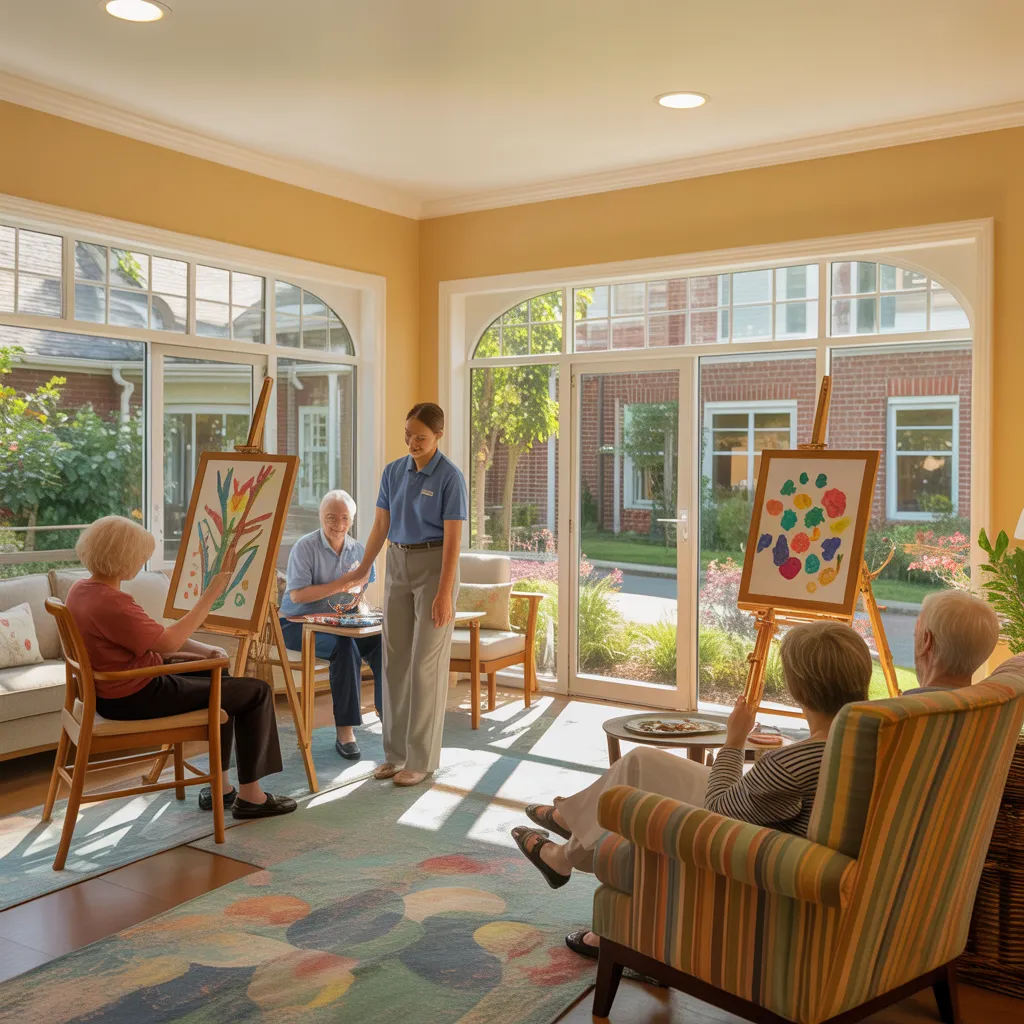
Establishing a safe and welcoming environment is fundamental for promoting dignity and comfort in memory care settings. Quality memory care services ensure secure surroundings, limiting risks related to wandering or accidents. Well-designed spaces encourage independence, allowing residents to navigate freely while feeling protected. Activities that are interesting and tailored to individual interests support cognitive function and nurture social connections among residents. These environments support participation, lessening feelings of isolation and enhancing overall well-being. In addition, the atmosphere should showcase warmth and familiarity, using personal touches that relate to each resident’s history. By combining safety with engagement, memory care services not only copyright the dignity of individuals but also create a comforting haven where they can thrive amidst their challenges.
Social Support and Its Role in Improving Memory Care
Community assistance serves an vital role in improving memory care programs by building meaningful bonds and bonding among people. Availability to tools within the community can substantially enhance the standard of care, providing essential tools and guidance. Furthermore, enhanced social engagement chances contribute to the overall health of those impacted by memory challenges.
Emotional Relationship and Attachment
Emotional bonds serve as a cornerstone in memory care, fostering an environment where individuals feel valued and understood. In memory care settings, community support cultivates meaningful connections among residents, caregivers, and families. These bonds not only enhance emotional well-being but also promote a sense of belonging. When caregivers engage empathetically with residents, they create a safe space for sharing feelings and experiences, which can alleviate feelings of isolation. Additionally, group activities and social interactions encourage residents to connect with one another, reinforcing their sense of identity and purpose. This emotional foundation greatly impacts the overall quality of care, as individuals thrive when they feel connected, ultimately leading to improved cognitive function and a better quality of life.
Obtaining Access to Resources
Access to materials holds a essential role in enhancing memory care services, leveraging the strong emotional connections formed among residents and caregivers. Community support offers crucial tools and information that equip families to make informed decisions about care options. Local organizations frequently arrange educational workshops, respite services, and support groups, which can alleviate the burden on caregivers and enhance their understanding of dementia-related challenges. Access to trained professionals, such as social workers and therapists, further improves the care experience. Additionally, collaboration with close healthcare facilities guarantees that residents receive thorough and coordinated care. Overall, a strong network of community resources fosters a supportive environment that greatly improves the quality of life for individuals with memory impairments and their families.
Improved Community Interaction
How can boosted community participation alter the circumstances of beings with memory impairments? Connecting communally within a supportive community offers feelings and thinking advantages that are required for those experiencing memory issues. Participation in team-based activities fosters connections, reducing moods of separation and sadness. These interactions stimulate thinking skills, preserving existing talents and possibly curtailing cognitive decline. Additionally, collective assistance encourages a sense of belonging, which can greatly improve emotional health and overall well-being. Senior care environments that highlight social engagement create environments where individuals can forge meaningful relationships, enhancing quality of life. This communal approach not only benefits residents but also supplies families with comfort level, trusting their loved ones are thriving in a caring space.
Long-Term Advantages of Quality Memory Care
While many families may first look for memory care services primarily for immediate support, the long-term benefits of quality memory care extend far beyond short-term relief. These services not only deliver essential daily assistance but also foster a structured environment that stimulates cognitive engagement and emotional well-being. Through personalized interventions and therapeutic approaches, residents can experience improvements in memory retention and overall mental health.
Also, premium memory care builds a sense of community, reducing feelings of isolation and anxiety often tied to memory disorders. This supportive atmosphere aids families by alleviating stress and providing peace of mind, knowing their loved ones are in capable hands. Moreover, skilled staff members can extend ongoing direction, helping families navigate the complexities of dementia care. Ultimately, allocating resources to quality memory care services yields valuable benefits, enhancing the quality of life for both individuals with memory impairments and their families over the long term.
Common Inquiries Asked Often
What Are the Methods to Detect Beginning Indicators of Mental Challenges?
Early indicators of cognitive decline can include frequent forgetfulness, trouble keeping up with discussions, misplacing items, having trouble remembering what just happened, and shifts in emotional state or conduct. Observing these warning signs may warrant a professional evaluation for further assessment.
What Expenses Accompany Memory Care Programs?
Charges pertaining to memory care services fluctuate, typically ranging from $3,000 to $7,000 monthly. Factors determining pricing include location, facility amenities, and the level of personalized care vital to each individual.
What Factors Should I Evaluate When Choosing a Memory Care Community?
Picking the ideal memory care facility entails investigating available selections, touring the locations, assessing staff qualifications, evaluating security standards, reviewing resident activities, and weighing family opinions, making sure the facility corresponds to the resident's unique needs and desires.
What Position Do Caregivers Play in Cognitive Support?
Caregivers render fundamental support in memory care by offering emotional rapport, supporting with daily activities, and putting into action tailored care programs. Their preparation and compassion greatly strengthen the life quality for individuals with memory impairments.
Can Memory Care Services Adjust to Different Stages of Dementia?
Memory care services can effectively accommodate different stages of dementia by tailoring support and therapies to specific requirements. This adaptability assures residents obtain proper treatment, enhancing their quality of life throughout the progression of the disease.